Quiet Luxury at Its Best
Over the course of decades, the Aman brand has earned itself a remarkable position in the luxury segment – not by making a lot of noise, rather by remaining true to its values. While many hotel groups put all their chips on expansion and high visibility Aman intentionally cultivates the art of restraint. The result is a brand experience that is something to be felt rather than described.
Here, the phrase “going that extra mile” is not (as so often) just a tired slogan; it is a lived culture.
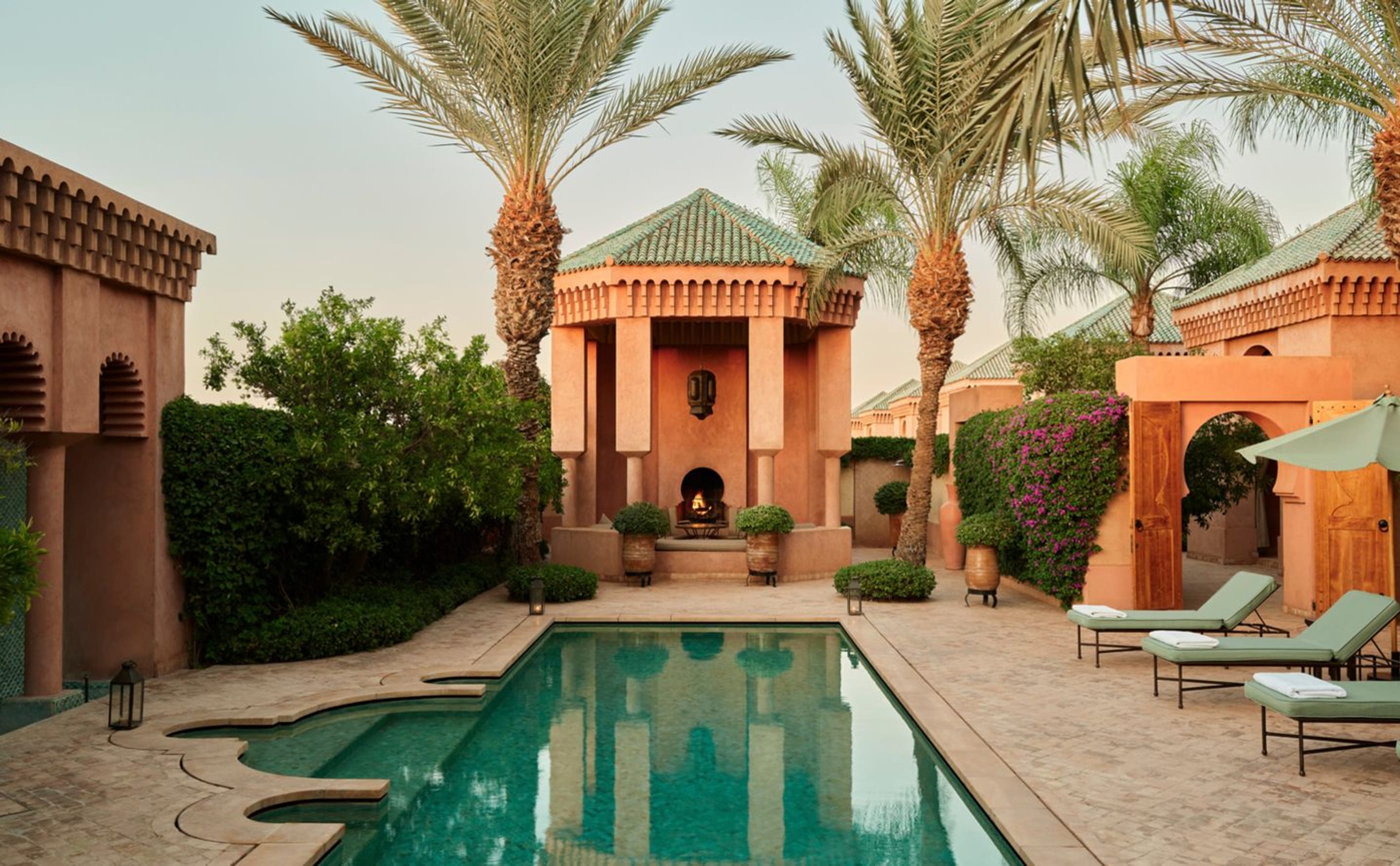
Far from what the standardized hotel landscape has to offer.
The founder of Aman is Adrian Zecha, an hotelier who doesn’t actually like hotels in the classic sense, who never apprehended luxury as a status symbol, rather as a matter of atmosphere.
His vision was to create places that feel like private spaces for retreat – far from what the standardized hotel landscape has to offer. Cultural sensitivity and a profound understanding of proportion, physical space and tranquility defined Zecha’s approach from the very start. This DNA is still palpable in every venue today, though the brand has grown to global proportions in the meantime.
I used to do a lot of travelling in Asia and I can still remember standing in front of various Aman hotels and determining that a stay at an Aman Hotel had to be on my “bucket list”. By the by: I’m still working on that one …
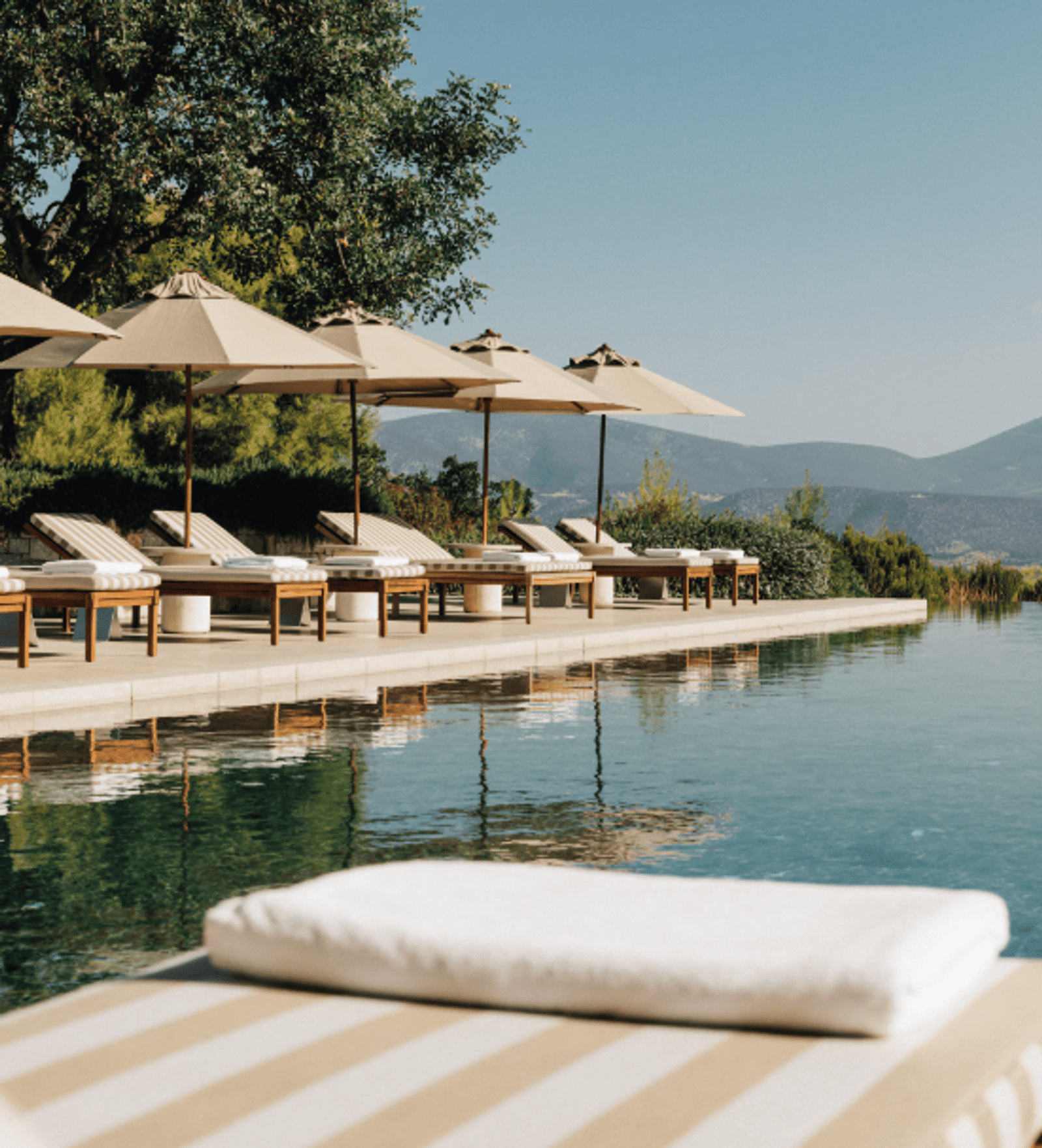
It has less to do staging; it’s more about intimacy.
Aman Hotels follow no ridged formula, and yet they are immediately recognizable. It’s the way a space is thought through: generous, calm – almost contemplative. Architecture, landscape and interiors don’t compete with each other; they converse. Materials have an honest appeal, lighting is used to targeted effect, and even the stillness seems to be created by design.
The hotel stay becomes an experience that cannot be defined under the classic terms of luxury – it has less to do staging; it’s more about intimacy – and that has its price. Rates of several thousand Dollars per night/room are not uncommon.
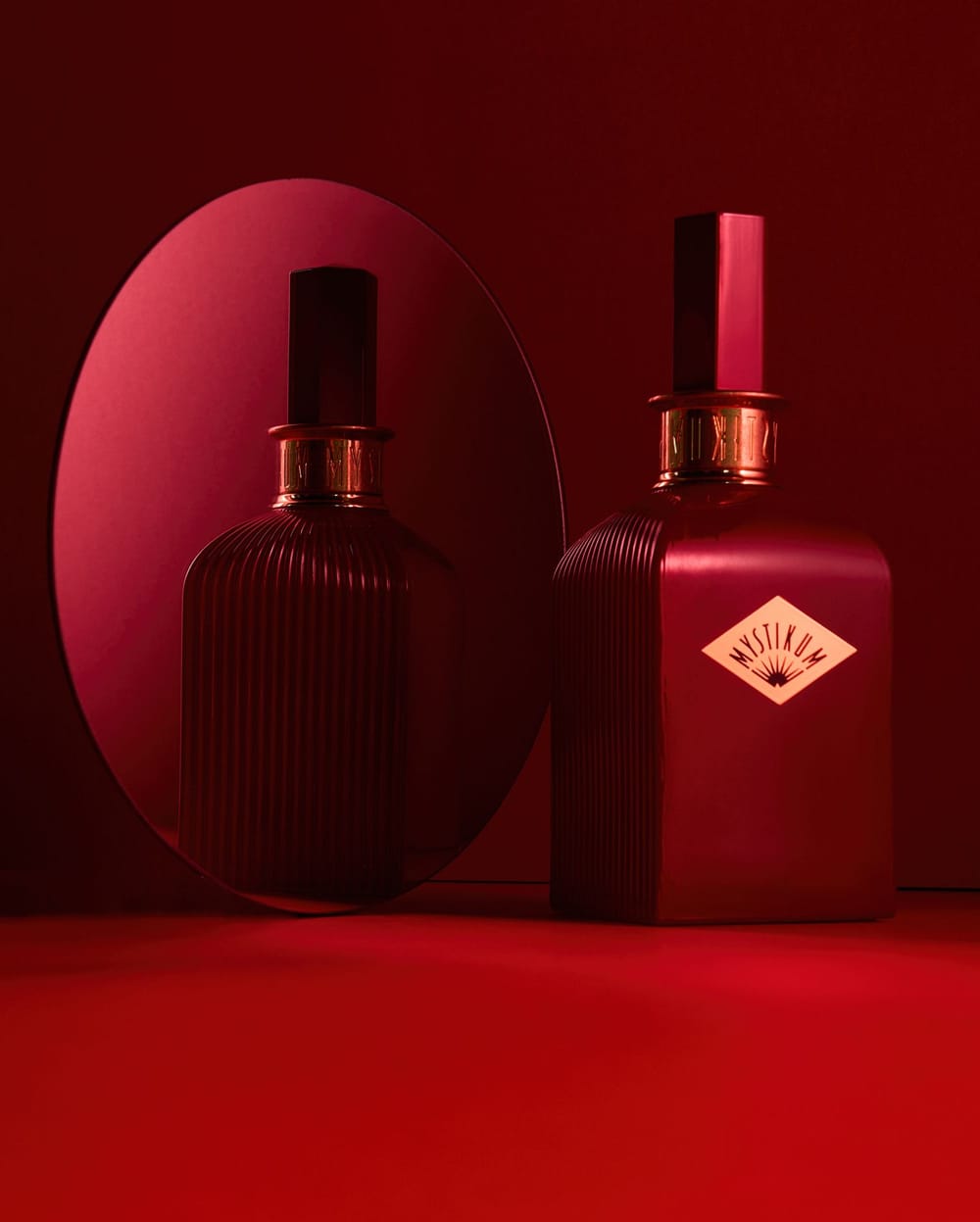
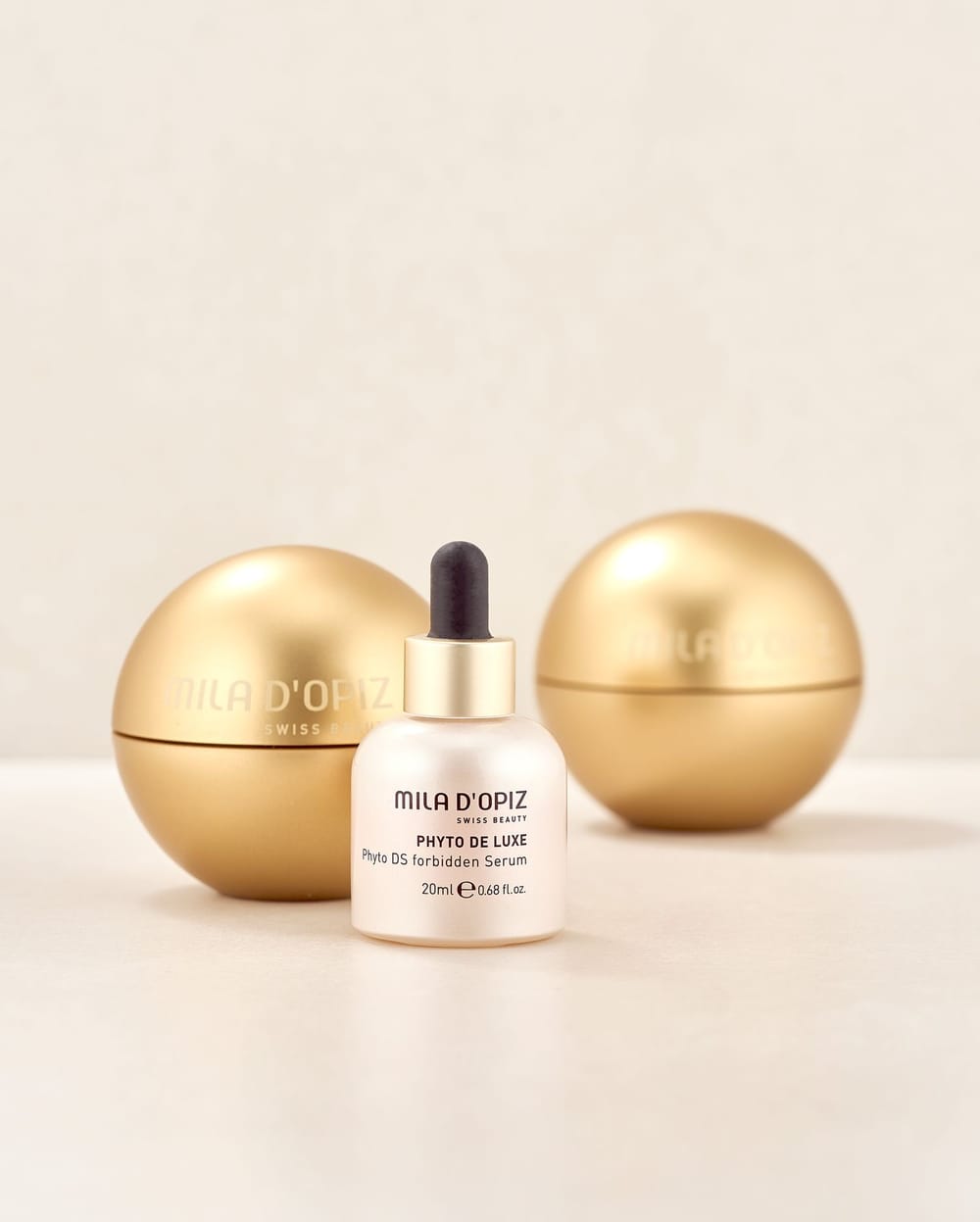
The brand remains true to this stance in its perfume and bodycare line. Instead of relying on loud design features Aman develops compositions that remain subtle, achieving increased depth for that very reason.
The fragrances act as atmospheric memories: they evoke places without illustrating them exactly, allowing space for personal perception. It’s not about attracting attention; it’s about allowing something to linger.
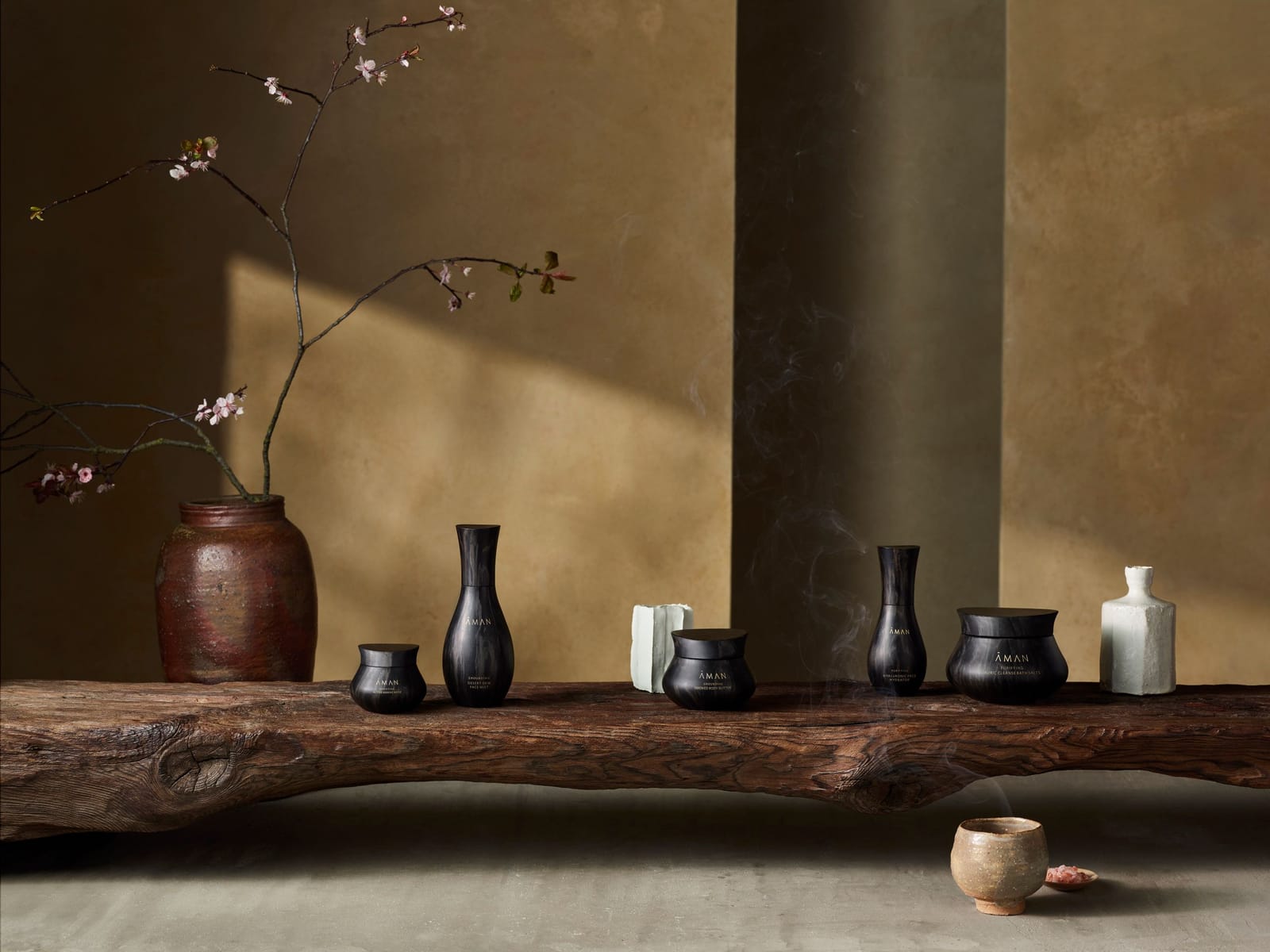
The interesting aspect here is the translation of physical space into fragrance. Where hotels work with light, materials and proportions, perfumes deal in fragrance notes, transitions and development on the skin (or in the room). Aman successfully connects these two worlds without the one dominating the other. Both forms of expression pursue the same idea: reduction as a quality, not as austerity.
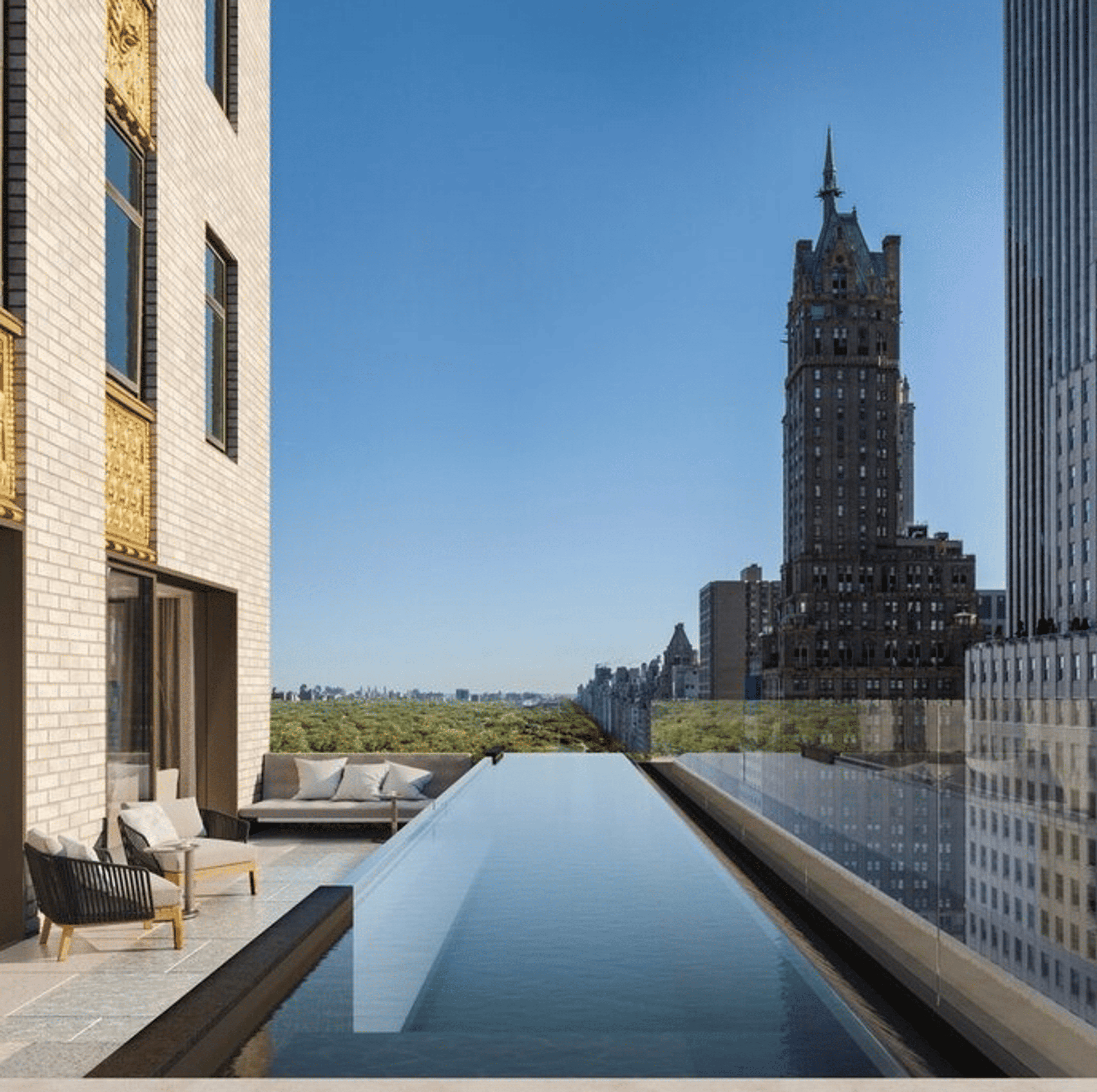
Some of the most iconic venues throughout the world have been interpreted in fragrance creations, including the Aman destinations in New York, Indonesia, Thailand and Tokyo.
Aman is an object lesson demonstrating that modern luxury need not necessarily be louder, bigger or faster. Sometimes it’s just more precise.
Aman stages no excesses.
What does luxury actually mean? A question many enterprises have – austensibly – already answered in manifold iterations.
Often the answer is: Loud. Expensive. Perceptible. Visible.
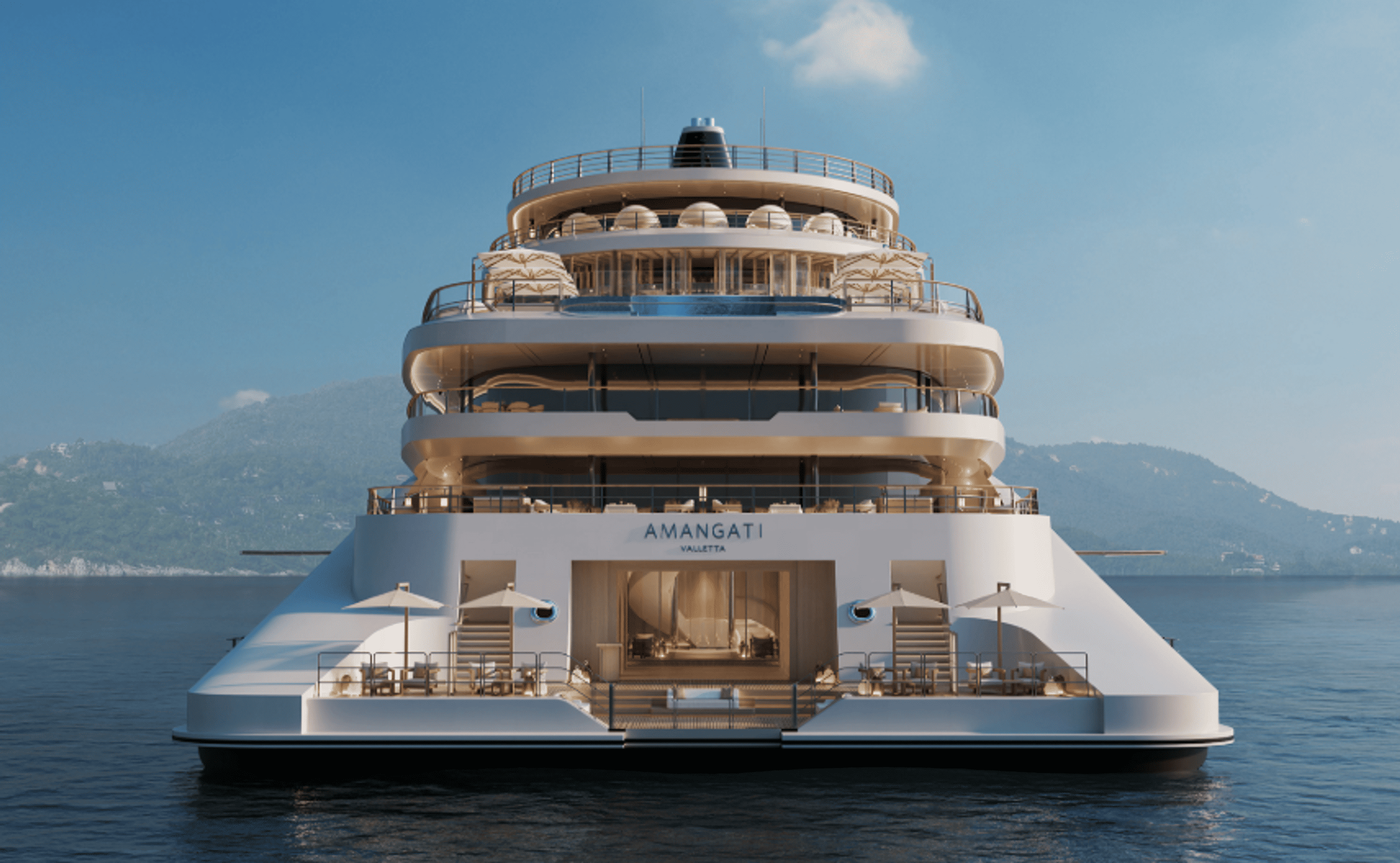
Aman stages no excesses. Very successfully. Amangati will be the first Aman Hotel at sea. Still in planning, it is due to set sail in 2027.
Another new concept, Janu, a sister brand of Aman, aims to appeal to a younger audience – a Janu customer will one day become an Aman customer, after all.